 (+34) 966 425 961
 CONTACTO



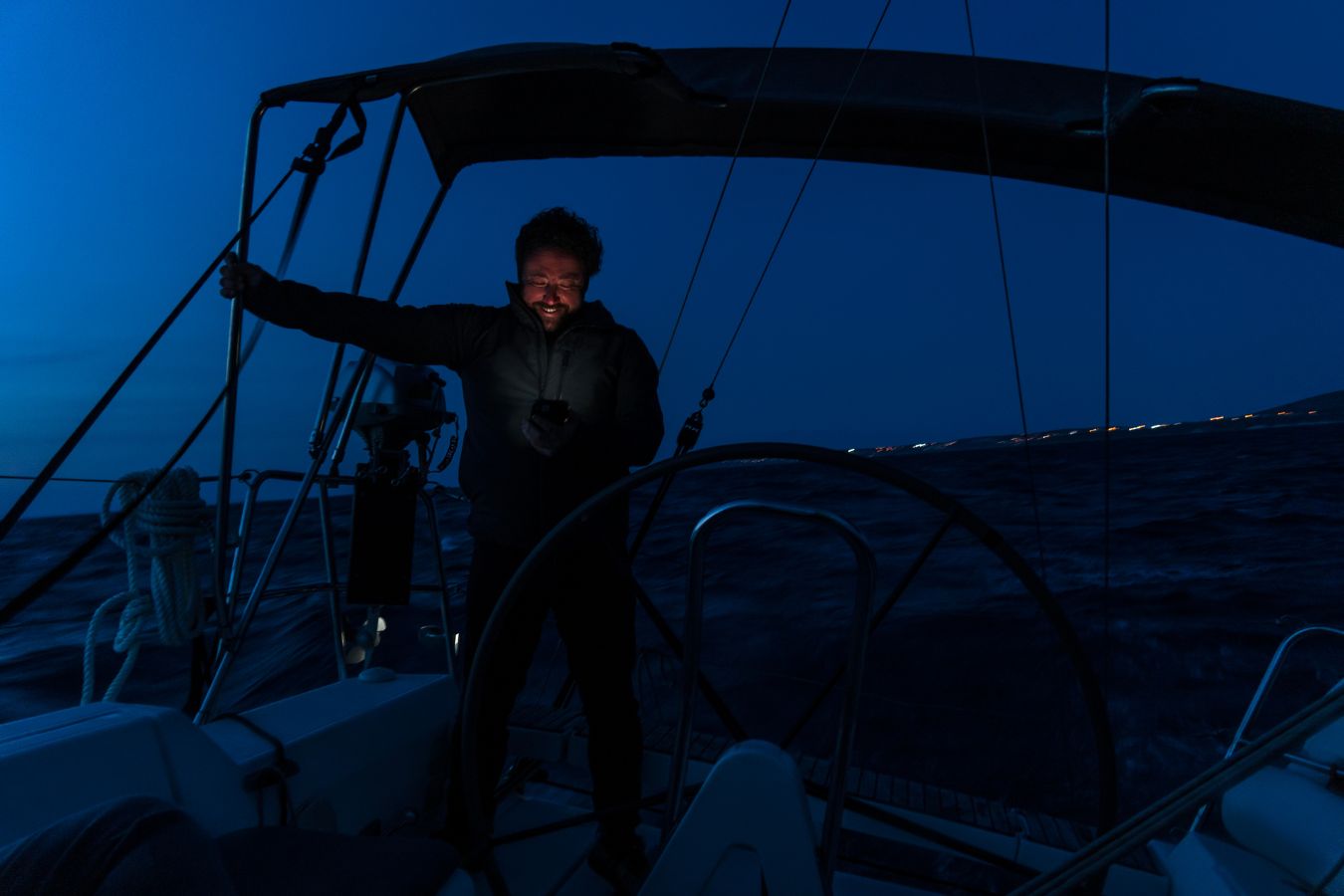
Night sailing: essential equipment and precautions
Night sailing is an incomparable experience. The silence of the sea, the cool breeze and the view of a starry sky create a unique atmosphere that any sailing enthusiast will fall in love with. However, sailing at night also poses an additional challenge: poor visibility, fatigue and the need to maintain greater control over the boat make these voyages a test of responsibility and preparation.
At Crownline Spain, as specialists in recreational boats, we know that enjoying the sea safely is the number one priority. That’s why, in this article, we’ll tell you what equipment is essential and what precautions you should take to make your night-time voyage as safe as it is unforgettable.
What makes night sailing special?
Sailing during the day provides clear visual references: the coastline, other boats, buoys and lighthouses. However, when night falls, everything changes. References are reduced, spatial perception is different and any mistake can have major consequences.
The key is to plan the trip well, have a properly equipped boat and have enough experience to anticipate possible unforeseen events. If you don’t yet have the right boat for your night-time adventures, we invite you to discover Crownline boat models in Spain, designed to offer safety, comfort and excellent performance in different sailing conditions.
Essential equipment for sailing at night
Approved navigation lights
Navigation lights are mandatory under international regulations. They allow other vessels to identify your course and size, reducing the risk of collisions. Before setting sail, always check that they are working properly and carry spare bulbs on board.
Radar and GPS with updated nautical charts
A marine radar will help you detect other vessels, buoys, or obstacles, even in low visibility conditions. The radar should be complemented by a marine GPS with updated charts, which will allow you to maintain your course with precision. It is essential that you check for software and map updates before each season.
AIS (Automatic Identification System)
AIS is a device that transmits your vessel’s position and receives the positions of other nearby vessels. This allows you to view the maritime traffic around you on your plotter screen and anticipate manoeuvres to avoid collisions.
Emergency spotlights and torches
Onboard lighting is crucial for night-time navigation. A deck spotlight or high-intensity portable spotlight can make all the difference when anchoring or manoeuvring. In addition, waterproof torches with spare batteries should always be carried.
VHF radio
Marine VHF is the most reliable means of communication at sea. You should always be tuned to channel 16, which is reserved for emergencies, and ensure that the radio is working properly before setting sail.
Essential precautions for night-time sailing
Advance planning
Before setting off, study the route, possible ports of refuge and weather conditions. Bear in mind that at night, changes in the wind or sea are more difficult to anticipate.
Constant surveillance
You should be more vigilant than during the day. If you are travelling with others, take turns keeping watch so that someone is always alert.
Slow down
Sailing more slowly will allow you to react better to unforeseen events. It also extends the life of the engine and improves passenger comfort.
Life jackets with strobe lights
When sailing at night, life jackets with strobe lights are essential. If someone falls overboard, they make it easier to locate them immediately.
Avoid fatigue
Fatigue is one of the greatest enemies of night-time sailors. Alternate rest shifts, stay hydrated, and avoid alcohol.
Review the regulations
In Spain, the Directorate General of the Merchant Navy establishes the safety regulations and mandatory equipment for sailing. You can consult them on the official website of the Ministry of Transport to ensure that you comply with all legal requirements.
Practical advice from an experienced sailor
- Try short routes first: if you have never sailed at night, start with short trips close to the coast.
- Familiarise yourself with the equipment: learn how to operate the radar, AIS and GPS in dark conditions.
- Covers bright screens: reduces the intensity of light from electronic screens so you don’t lose your night vision.
- Take advantage of the moon: plan your outings on full moon nights for greater natural visibility.
- Have a plan B: if conditions worsen, find a nearby port or return early.
FAQs about night sailing
Is it compulsory to carry navigation lights?
Yes, they are compulsory and must be approved. They are used to indicate your position, size and course to other vessels.
Can I anchor at night?
Yes, but you must turn on a white light visible across the entire horizon to indicate that your boat is anchored.
Does night sailing require a special licence?
There is no specific licence, but it is recommended that you have adequate experience and training.
Can you make a long crossing at night?
Yes, provided that the crew is well rested, the boat is well equipped and the route is properly planned.
Safety first
Night sailing is a unique experience that every sailor should enjoy, but it requires preparation and responsibility. Equipping your boat with modern technology, complying with regulations and maintaining safe habits are key to enjoying the sea with peace of mind.
At Crownline Spain, we work every day to ensure you enjoy your voyages in complete safety. If you want to discover reliable, comfortable boats that are suitable for night sailing, visit our Crownline boats in Spain section or contact us for more information.
Other news that may interest you
- Boat CE design category A, B, C or D: what does it mean and which one do you need?
- Is a joystick worth installing on a boat? Advantages, limitations and who benefits most
- How to calculate the real range of a boat before setting off
- How to keep your boat in excellent condition all year round
- Single or twin engines: which configuration makes more sense on a recreational boat?