 (+34) 966 425 961
 CONTACTO



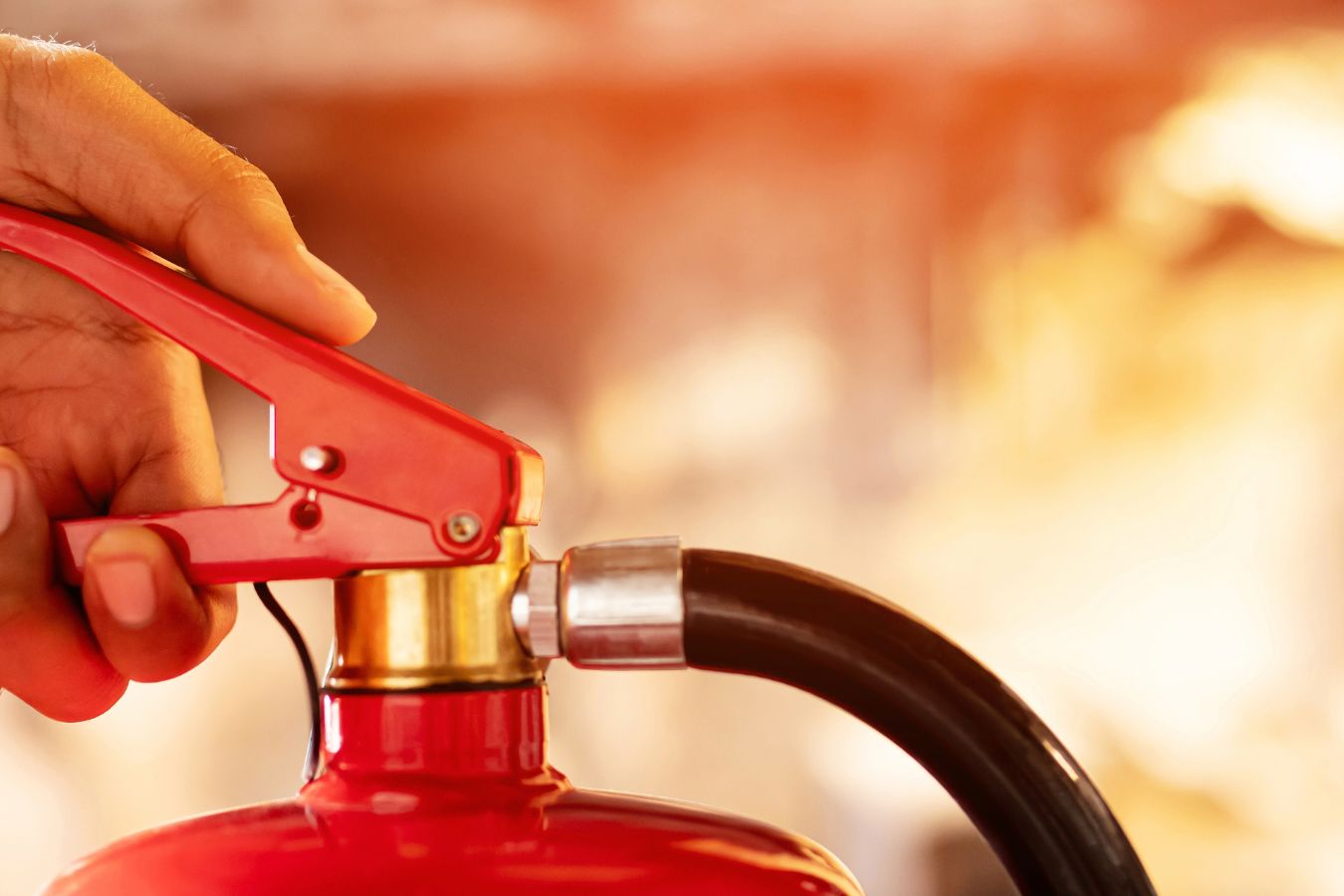
Fire prevention on board: fire extinguishers, sensors and protocol
A fire on board is one of the most dangerous emergencies any vessel can face. The confined space, the presence of fuels and the difficulty of evacuation make good prevention essential. In this guide, we address the key elements for minimising risk: suitable fire extinguishers, detection systems and a clear protocol for action.
Common fire hazards on recreational boats
- Short circuits in electrical systems
- Overheating of engines or generators
- Fuel or gas leaks
- Poorly ventilated galleys
All these factors can cause a fire if not properly controlled. The good news is that with minimal equipment and certain routines, the risk is drastically reduced.
Mandatory and recommended equipment
Portable fire extinguishers
You must have approved ABC powder fire extinguishers in key locations: kitchen, engine room, cabin and battery area. Check the pressure, expiry date and condition at least once a year.
Smoke and gas sensors
Installing smoke and propane/butane gas detectors in the cabin and technical areas allows for a timely response. Many modern models offer alerts via app.
Fireproof blanket
Especially recommended for the kitchen. It takes up little space and is very effective in extinguishing oil or curtain fires.
Please consult our services section if you wish to install or inspect the safety equipment on your vessel.
Fire safety protocol
- Immediately alert the crew and, if possible, via VHF radio.
- Cutting off batteries and electrical systems.
- Fire isolation, closing affected hatches and compartments.
- Use of fire extinguisher, maintaining position between the fire and the escape route.
- Orderly evacuation if the fire is not controlled within 30 seconds.
Preventive maintenance
- Annual review of the electrical system and connection points
- Regular cleaning of the engine compartment
- Fuel leak control and kitchen ventilation
- Replacement of damaged hoses and connections
In Crownline models such as the E305 XS or the 264 CR, the internal layout allows for efficient installation of sensors and fire extinguishers.
Regulations and training
Spanish regulations require a minimum number of fire extinguishers depending on the length and type of vessel. They also recommend basic safety training for skippers and crew members. Further information can be found in the DGMM Maritime Safety Manual.
In conclusion, fire prevention on board is not optional: it is a responsibility. Properly equipping your vessel, training your crew, and maintaining the system in good condition is key to sailing with peace of mind.
In our boats in stock section, you can find models that are already equipped with advanced safety solutions.
Other news that may interest you
- Boat CE design category A, B, C or D: what does it mean and which one do you need?
- Is a joystick worth installing on a boat? Advantages, limitations and who benefits most
- How to calculate the real range of a boat before setting off
- How to keep your boat in excellent condition all year round
- Single or twin engines: which configuration makes more sense on a recreational boat?