 (+34) 966 425 961
 CONTACTO



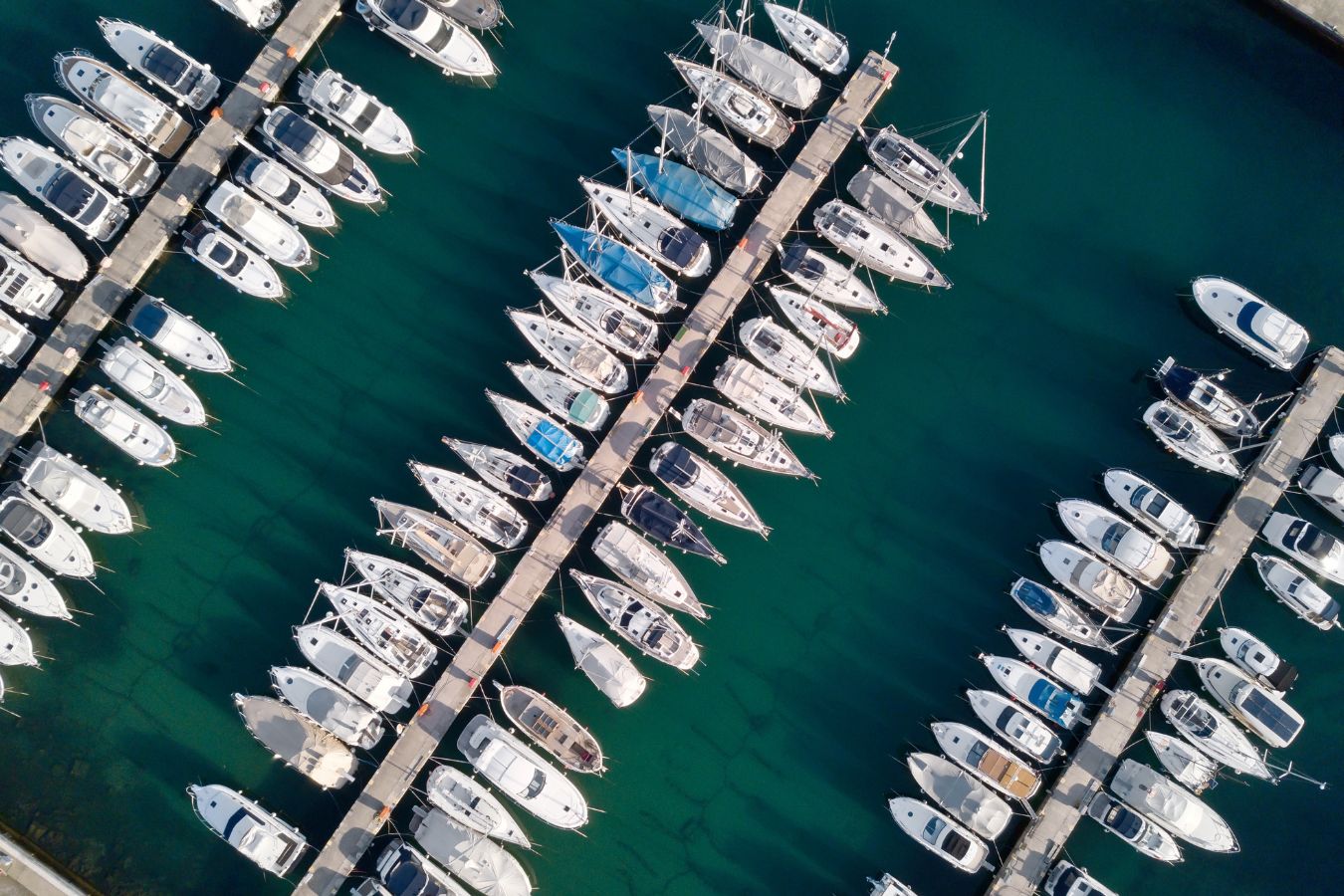
How to choose the best home port on the Costa Blanca based on where you sail most
Choosing the right boat is important, but choosing the right home port on the Costa Blanca can have an even greater impact on your actual sailing experience. A boat that looks perfect on paper may end up being used less if the port doesn’t suit your usual routes, the time you have available, or your sailing style. On the other hand, a good home port saves time, simplifies logistics and means you’ll get out sailing more often.
The key isn’t just about finding a free mooring or a pretty harbour. It’s about answering a much more useful question: where do you sail to most of the time? Whether you mainly go out during the day, prioritise nearby coves, undertake long voyages, or are thinking of trips to the Balearic Islands, the best home port will vary. That’s why, before making a decision, it’s also worth checking how much a mooring actually costs in Dénia, Jávea, Moraira or Altea, because price and location should always go hand in hand.
The most common mistake: choosing a port based on intuition rather than actual usage
Many boat owners choose a marina because it’s close to home, for its reputation, or because they’ve “always heard good things” about it. But that doesn’t always match up with how you actually use your boat. If every trip out means a longer drive, more manoeuvring, longer queues at the entrance, or a less favourable mooring spot in relation to your favourite areas, you’ll end up sailing less.
On a coastline as varied as that of Alicante, it makes much more sense to choose a home port based on your sailing style. Crownline Spain already takes this approach in content such as ‘The best home ports for your Crownline on the Costa Blanca’ and in its guide on how to choose a home berth in Dénia, Jávea or Moraira based on your boat’s length.
What to consider before choosing a home port
Before comparing specific ports, there are five criteria that really should be taken into account when making a decision:
1. Your most frequent routes
Setting out to anchor near home is not the same as going on long trips or planning a crossing to Formentera. If your sailing mainly involves half-day or full-day trips, you’ll want a base very close to your usual coves. If you go on long crossings, you’ll need a location that offers better routes, refuelling facilities and services.
2. Your actual availability
If you go out almost every weekend, you need speed and convenience. If you use your boat for longer periods, you might prioritise services and the annual cost. The best marina isn’t always the most exclusive one, but the one that best suits how you use your boat.
3. Length and type of vessel
The availability of moorings varies depending on the beam, length and type of boat. This is particularly important in ports where demand is high or where space is limited. It is therefore advisable to decide on the model, length and home port all at once, rather than in separate stages.
4. Total cost, not just the mooring fee
The home port affects the annual cost of owning a boat: mooring, maintenance, services, dry docking, fuel and accessibility. If you want to see the bigger picture, you might also want to look at the total cost of owning a boat on the Costa Blanca in 2026.
5. Weather and typical exposure
Not all ports or departure areas behave in the same way in easterly, westerly or swell conditions. To plan your trips more effectively and understand when one area is more suitable than another, it is very useful to learn how to read the AEMET forecast before setting out to sail along the Costa Blanca. AEMET itself publishes official marine bulletins and coastal warnings which you should check regularly. (aemet.es)
If you’re mainly exploring the northern part of the Costa Blanca
If your usual trips are centred around Dénia, Xàbia or routes covering a wider area, a port in the north usually makes more sense.
Dénia is a good fit if…
Dénia is a natural base for anyone wishing to combine coastal trips, excellent sailing facilities and longer cruising options. It is also the go-to destination for those planning trips to the Balearic Islands. Crownline Spain operates out of Dénia and uses this location as the hub for much of its sales, stock and service operations. The website’s homepage presents Dénia as a base for boat sales and local operations.
If you’re considering this option, you might also be interested in the guide to the Dénia–Formentera crossing by daycruiser, as it clearly illustrates why this home port makes such good sense for more ambitious voyages.
Jávea is a good fit if…
Jávea is often an excellent choice for boat owners who enjoy frequent day trips, coastal cruising and getaways to nearby coves. If your priority is to make the most of short trips and minimise the time between mooring and enjoying your boat, this basic setup can be very efficient.
What’s more, many recreational and family boats are better suited to this kind of agile sailing. If you’re comparing options, you can refer to the guide on how to choose the right Crownline model for your lifestyle and also check out the boats currently in stock on the Costa Blanca.
If you spend more time travelling between Moraira, Calpe and Altea
When your actual use is mainly limited to short trips, peaceful anchorage and leisurely cruising along the central stretch of the Costa Blanca, choosing a more central base can make things much more convenient.
Moraira is a good fit if…
Moraira tends to attract those who particularly appreciate the harbour setting, the overall experience and a more exclusive atmosphere. It is an attractive base for leisurely sailing, day trips and leisure activities with a strong focus on comfort.
Altea is a good fit if…
Altea works very well as a versatile base for boat owners who want good access to various parts of the central and southern coastline. If you alternate between local trips and longer voyages, this location can offer you a good balance between comfort and a useful sailing range.
In both cases, if you’re still trying to decide between a new and a used boat, you should also take a look at the section on reconditioned used boats and the guide comparing used and new boats, as the home port also has a significant impact on the final budget you’re willing to commit to.
How to choose a home port based on your type of sailing
If you go on quick half-day trips
You’ll want a port that allows you to come and go easily, with minimal logistical hassle and quick access to your favourite areas. In this case, operational proximity usually carries more weight than the size of the port.
If you’re going on full-day trips with anchoring
You need a balance between convenient access, facilities and a strategic location in relation to your usual coves. The choice of marina has a significant impact on how much time you actually spend sailing and how much time you spend travelling overland or manoeuvring.
If you go on long trips or are thinking of visiting the Balearic Islands
You need a base with a well-established route network, services, refuelling facilities and reliable weather information, as well as an operational set-up that allows you to better prepare for long trips. In this context, Dénia usually comes out on top thanks to its location and its tradition as a starting point for cross-country voyages.
If you don’t browse the internet much, but want maximum convenience
Sometimes it’s worth choosing a more convenient marina, even if it isn’t the cheapest. If you don’t go out as often, each trip should be easier. Minimising hassle is key to getting the most out of your boat.
Our recommendation at Crownline Spain
The best way to choose the right home port is to approach the decision in the opposite way to most people: first decide how and where you’re going to sail, then work out the length, type of boat and suitable port.
At Crownline Spain, this approach is all about making your purchase smarter and more enjoyable. That’s why it makes sense to explore not only the Crownline range, but also the marine services available for your boat; and, if you’re already considering specific options, the available stock or direct contact with Crownline Spain.
The best home port isn’t the most famous one. It’s the one that gets you out sailing the most.
Frequently asked questions
When choosing a home port, which is more important: price or location?
Both are important, but the location usually has a greater impact on how you actually use the boat. A slightly more expensive marina can be worth it if it allows you to get out more often, reach your usual routes sooner and make better use of the boat.
Is Dénia a better option if I want to go to the Balearic Islands?
It is often one of the most logical starting points for those planning a trip to the Balearic Islands, and Crownline Spain has published a specific guide to the Dénia–Formentera route.
Which harbour is best for short trips and nearby coves?
It depends on the area where you sail most often, but for many frequent coastal sailors, a home port such as Jávea can make a lot of sense given their sailing profile and its proximity to local routes. This is a practical conclusion drawn from the site’s own focus on home ports and moorings.
Is it better to choose the ship first or the port?
The best approach is to decide on both at the same time. The length, beam and type of sailing have a significant impact on the availability and cost of a mooring.
Which external source should I consult before deciding on a base port?
AEMET is a very useful resource for understanding marine bulletins, warnings and typical sailing conditions in the area before establishing your home port. (aemet.es)
Other news you might find interesting
- How to keep your boat in excellent condition all year round
- Single or twin engines: which configuration makes more sense on a recreational boat?
- How many engine hours are a lot on a used boat? How to interpret actual use
- How to choose a boat that will be easy to resell in Spain in a few years
- When is it worth buying a boat before the summer, and when is it better to wait until the end of the season?