 (+34) 966 425 961
 CONTACTO



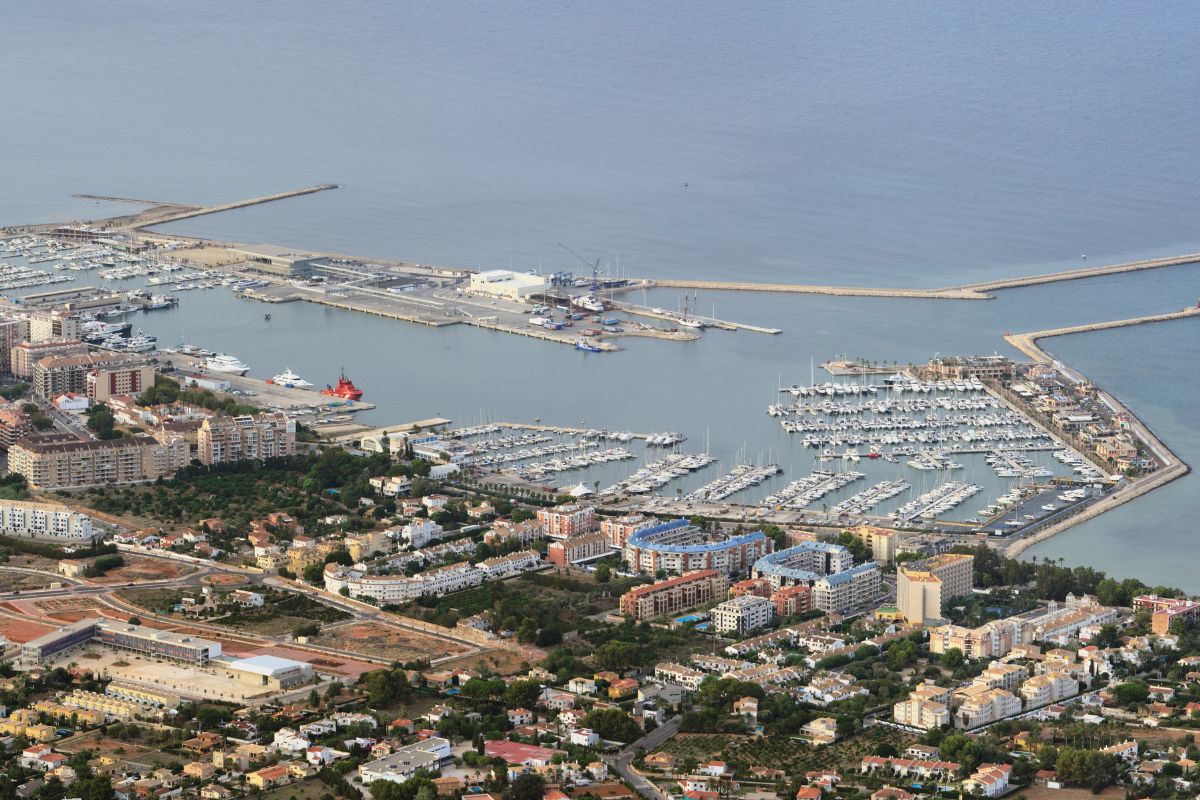
How to choose a mooring in Dénia/Jávea/Moraira according to your boat length and sailing habits
Choosing a mooring is not just a matter of ‘where do I leave the boat?’. It is deciding how you are going to sail in the coming years: departure times, comfort on board, manoeuvring safety and, of course, total cost of ownership. On the northern Costa Blanca —Dénia, Jávea (Xàbia) and Moraira— there are nuances in wind, waves, dock orientation, technical services and availability that change the experience depending on the length of the boat and frequency of use.
In this guide, we provide you with a practical method for making informed decisions, with links to our resources and comprehensive service. If you are still considering purchasing a boat, check out the available stock and pre-owned boats on our website to arrange mooring and delivery from the very first minute.
- New boats and immediate delivery: Boats in stock
- Revised selection: Used boats
- Comprehensive service (maintenance, antifouling, winter storage, insurance): Services
- Direct contact at Marina de Dénia: Contact
This article is a decision-making guide based on length and habits, unlike inspirational posts about ports or routes. For destination ideas, you can read ‘5 perfect home ports for your Crownline on the Costa Blanca’.
The method: 5 key variables (and how to weigh them)
a) Length, beam and draught
- < 7 m: agile manoeuvring, tolerates narrow spaces and short fingers; sensitive to waves in exposed harbour entrances.
- 7–9 m: ideal balance for family day cruising; requires a finger ≥ 7–8 m and clear walkways for passengers to board/disembark.
- 9–11 m: more mass, more inertia; consider berths with anti-swell fins and pontoon assistance.
- > 11 m: absolute priority to street width and turning radius; plan for deadhead moorings or long fingers with high fenders.
b) Going out habits
- Express departures (2–4 hours): you need nearby parking, quick refuelling and a smooth exit without delays.
- Full day (6–8 hours): best base with multiple coves less than 30 minutes away by boat.
- Direct crossing to Ibiza/Formentera: prioritises port with favourable weather conditions and clear routes.
c) Prevailing wind and waves
- Sheltered dock + pontoons with shock absorbers = less strain on ropes and fewer fender impacts.
- Check fetch (wave travel distance) and mouth orientation vs. summer thermal winds.
d) Services within a radius of 200 metres
- Technician, travelift, nautical shop, laundry, restaurants, ice, showers. They impact TCO in terms of time, not just euros.
e) Actual availability and policy of subrogation
- Waiting list, transfer conditions, high/mid seasons. It is advisable to arrive with your boat and documentation ready to close the deal quickly.
Dénia, Jávea, Moraira: which usage profile fits best?
Dénia: versatility and logistics hub
Who it is for: boat owners who sail frequently and want a hub with full technical service and direct access to Les Rotes/Les Marines and Ibiza.
Strengths:
- Large technical ecosystem (mechanics, electronics, fairings, travelifts).
- Good road access, catering and supplies available.
- Refuelling with extended hours and staff experienced in mooring boats of various lengths.
Please note if… your boat is <7 m: summer traffic and wakes in active docks require well-calibrated fenders and ropes with shock absorbers.
Practical recommendation: for 7–9 m and frequent use, Dénia minimises downtime and maximises workshop availability. If you are considering turnkey delivery, coordinate with our team to reserve a berth and arrive with antifouling and factory servicing already completed. Services
Jávea/Xàbia: picture-perfect coves, direct access
Who it’s for: families who prioritise nearby coves (Granadella, Portitxol, Ambolo – please note regulations) and 6–8 hour outings with swimming and picnics.
Strengths:
- Perfect orientation for fast sailing without long detours.
- Ideal scenario for 6–9 m daycruisers: light loads, awnings, lots of activity in the cockpit.
Please note if… you usually carry 6–8 passengers with inflatables: consider flaps/tabs and a propeller with adequate pitch to plane without excessive fuel consumption.
Practical recommendation: for boats under 9 m and family use, Jávea reduces mileage and makes each trip more worthwhile.
Moraira: tranquillity, warmth and a boutique experience
Who it’s for: those who prioritise a peaceful environment, less crowded docks and good protection in summer.
Strengths:
- Very good handling and manoeuvrability for medium-sized vessels.
- Perfect for a proactive annual programme: keep your boat spotless and ready to go.
Please note: if you plan to make frequent trips to Ibiza, you will add an additional 5–8 miles compared to Dénia.
Practical recommendation: for 9–11 m boats used at weekends and carefully maintained, Moraira offers a very well-rounded experience.
Local tip: if you are going to anchor in coves with Posidonia seagrass, review the regulations and eco-friendly anchoring buoys of the Generalitat. Useful guide: Ports of the Generalitat – general information.
Which mooring to choose according to length (with real scenarios)
Boats
- Recommended space: short finger (≥6 m), wide aisle ≥ 6–7 m.
- Ropes: bow and stern with shock absorbers; crossed spring to prevent ‘dancing’ caused by wakes.
- Scenario: afternoon trips (2–4 hours) from Jávea for swimming and snorkelling. Prioritise nearby parking and a pushchair available.
7–9 m (sweet spot daycruising)
- Recommended space: finger 7–9 m, corridor ≥ 8–10 m.
- Ropes: 4 + 2 springs; fenders at the level of neighbouring boats.
- Setting: Dénia as a hub, with trips to Les Marines and routes south on long days. If you visit Ibiza a couple of times per season, plan for calm seas and light stowage.
9–11 m (mass and comfort)
- Recommended spot: finger ≥10 m or deadhead with secure guide.
- Ends: 6 points, protection on mooring guide and metal thimbles.
- Setting: Moraira for peaceful weekends; sheltered harbour reduces micro-impacts that damage gelcoat and fittings over time.
> 11 m (turning radius and service)
- Recommended location: very wide streets, support staff and supplies on the jetty.
- Ropes: 8 points, reinforced bollards and combined cylindrical + flat fenders.
- Setting: Based in Dénia for logistics and technical service, with scheduled crossings and regular inspections.
What to look for on site before signing the contract (checklist)
- Mouth orientation vs. summer thermals and swells.
- Clearance height of fingers and pylons in relation to your actual freeboard.
- Street width: perform two test manoeuvres in crosswinds.
- Minimum depth at low tide and margin for propeller/column.
- Condition of cleats, bollards and deadlights; enquire about maintenance.
- Water and electricity points less than 5 metres from the boat; consumption and rates.
- Walkway from car to jetty with cargo (ice, drinks, toys).
- Refuelling: distance, opening hours, queues in August.
- Security: access control, cameras, night-time surveillance.
- Services: travelift, dry dock, approved workshops, waiting times.
- Regulations regarding Posidonia and bathing areas near the mouth of the river (buoy radars).
- Contract clauses: subrogation, temporary assignment and penalties for termination.
Budget and TCO by usage profile
Do not just compare the mooring fees. In practice, a port with shorter queues for refuelling, sheltered jetties (less impact and wear) and a nearby repair shop reduces hidden annual costs and wasted time.
- Frequent use (2–3 times per week): prioritise Dénia; adjust propeller and flaps for typical loads and optimum fuel consumption.
- Weekend family use: Moraira or Jávea, depending on your favourite coves; invest in shades and tidy stowage.
- Mixed with trips to Ibiza: Dénia for logistics, weather and more direct routes.
If you are considering a new or refurbished boat, we can arrange a berth and delivery to your destination port so that you can launch your boat right where you plan to sail. Start here: Boats in stock and Used boats.
Micro-guide to dating habits (choose your match)
- Short trips after work (2–3 hours): Jávea or Moraira due to their proximity to coves and lack of formalities.
- Full day with children and friends: Dénia or Jávea depending on your preferred swimming area; look for wide gangways and spacious corridors for boarding/disembarking.
- Light fishing + family (dual use): Moraira for shelter or Dénia for bait/ice logistics; rod holders that do not obstruct passage to the bow.
- Occasional towing/wake sports: Dénia or Jávea with Surf package and sheltered waters in the early hours.
- Trips to islands: Dénia by time window and services prior to departure.
Frequently asked questions
What is the minimum length of finger I need?
As a quick rule of thumb: finger ≈ 70–90% of the length for comfortable manoeuvring. For lengths >9 m, prioritise fingers ≥10 m or dead bow.
How does the orientation of the mouth affect conditions?
A mouth that faces the prevailing wind reduces drift during manoeuvres and internal wakes. In summer, E–SE thermals in the afternoon can enter if the mouth opens in that direction.
Can I ‘try out’ the mooring beforehand?
Negotiate a trial week or visit during peak hours (summer evenings) to simulate your actual outings.
What if I haven’t decided on a boat yet?
First, check mooring availability and, at the same time, choose a boat that is compatible with your target port. You can view current options in boats in stock or request a recommendation based on your target length.
Next step: we’ll get it ready for you
As an official Crownline distributor, we manage delivery, antifouling, electronics and insurance, and deliver the boat ready to sail to the mooring of your choice on the Costa Blanca. Ask us for a mooring + boat assessment and an annual maintenance plan.
Other news that may interest you
- How to keep your boat in excellent condition all year round
- Single or twin engines: which configuration makes more sense on a recreational boat?
- How many engine hours are a lot on a used boat? How to interpret actual use
- How to choose a boat that will be easy to resell in Spain in a few years
- When is it worth buying a boat before the summer, and when is it better to wait until the end of the season?