 (+34) 966 425 961
 CONTACTO



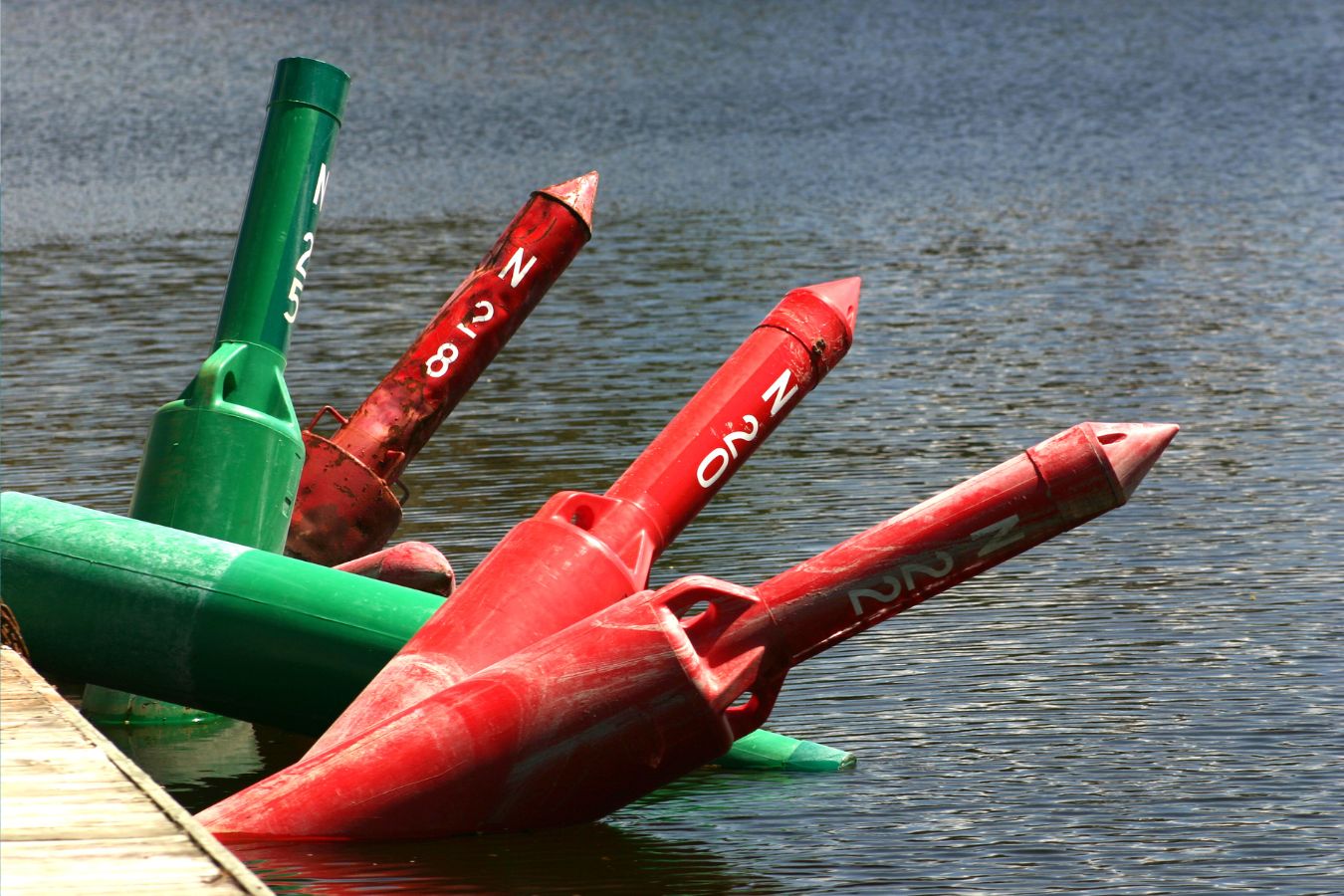
How to interpret maritime signals by day and by night
Safety at sea does not depend solely on sea conditions or boat equipment: it is also directly linked to the correct interpretation of maritime signals. These signals — whether lights, markings or visible shapes — are the universal language that allows all vessels to understand each other at sea.
In this article from Crownline Spain, we clearly explain how to interpret maritime signals both day and night, what they mean, and why they are essential for ensuring safe navigation.
What are maritime signals and why are they important?
Maritime signals are standardised visual or light systems that convey key information to navigators, ranging from the position of a channel to the presence of hazards. They form part of the IALA (International Association of Marine Aids to Navigation and Lighthouse Authorities), which regulates these signals internationally.
Interpreting them correctly is essential for:
- Avoid collisions and accidents.
- Identify danger zones (rocks, shoals, narrow channels).
- Comply with international maritime regulations.
- Ensure safe journeys day and night.
If you want to continue learning about sailing, visit our news section where you will find articles with practical tips to improve your experience on board.
Daytime maritime signals: marks, buoys and beacons
During the day, sailors navigate mainly by visible physical signals such as buoys, beacons or marks.
Side buoys
They indicate the boundaries of a navigable channel:
- Red (port side): marks the left side of the channel when entering from the sea.
- Green (starboard): marks the right side of the channel.
In Spain, the IALA Region A system is followed, which means that when entering port, you must keep the red buoys on your left and the green buoys on your right.
Cardinal buoys
They indicate the safe place to navigate with respect to a hazard:
- North: black cylinder on yellow, indicates that the danger is to the south.
- South: yellow on black, danger to the north.
- East: black-yellow-black, sail east.
- West: yellow-black-yellow, sail west.
Isolated danger buoys
They indicate a specific obstacle. They are black with horizontal red stripes and usually have two black spheres on top.
Safe water buoys
They indicate the centre of a channel or hazard-free zone. They are red and white vertical stripes and mark the entrance to a port.
Special buoys
Yellow in colour, they mark restricted areas, bathing areas or marine parks.
Maritime signals at night: navigation lights
When darkness falls, physical signals are supplemented by navigation lights that allow positions and movements to be identified.
Navigation lights on vessels
- Masthead light (white): indicates the direction of travel of the vessel.
- Port light (red): left side.
- Starboard light (green): right side.
- Range light (white): visible from astern.
Knowing how to interpret these lights is essential for determining the course of another vessel and avoiding collisions.
Lights on buoys and beacons
Side, cardinal and danger buoys have flashing lights with specific patterns:
- North Cardinal: rapid or continuous flashes.
- Cardinal South: 6 flashes followed by 1 long flash.
- Cardinal East: 3 flashes.
- Cardinal West: 9 flashes.
At night, it is vital to know these patterns in order to correctly locate yourself on the route.
How to practise interpreting maritime signals
- Study the International Regulations for Preventing Collisions at Sea (COLREGS).
- Use up-to-date nautical charts that show buoys and beacons.
- Practise first on short trips, close to harbours and marked channels.
- Enhance your experience with nautical simulation apps.
- Take advanced courses to consolidate theory with practice.
If you are thinking of taking the next step in your nautical life, take a look at Crownline’s boat models and find the ideal vessel for your next voyages.
Practical recommendations for safe browsing
- Always maintain active visual and electronic surveillance (radar, AIS, GPS).
- Slow down at night to gain reaction time.
- Never rely on a single signal: combine visual, chart and electronic information.
- Check the condition of your own navigation lights before setting sail.
If you have any questions or would like personalised advice on security and browsing, please do not hesitate to contact our team.
FAQs about maritime signals
Do all buoys have lights at night?
No. Only the main channel, danger, and harbour entrance buoys are illuminated.
What is the difference between IALA systems A and B?
In Europe, Region A is used (red on the port side, green on the starboard side). In America, Japan and the Philippines, system B is used, which reverses the colours.
Where can you learn to interpret maritime signals?
In addition to practising at sea, you can consult the RIPA and take accredited courses at nautical schools.
What happens if I fail to obey a maritime signal?
In addition to the risk of an accident, you may receive administrative penalties from the maritime authority.
In conclusion, correctly interpreting maritime signals during the day and at night is an essential requirement for all sailors, from beginners to experts. Safety at sea depends on universal communication which, if properly understood, prevents accidents and ensures pleasant voyages.
At Crownline Spain, we not only offer top-quality boats, we also share our knowledge with you so that you can sail with complete confidence. For more tips and news, visit our news section and keep up to date with the latest in the nautical world.
For more detailed information on regulations, consult the Directorate General of the Merchant Navy.
Other news that may interest you
- How to keep your boat in excellent condition all year round
- Single or twin engines: which configuration makes more sense on a recreational boat?
- How many engine hours are a lot on a used boat? How to interpret actual use
- How to choose a boat that will be easy to resell in Spain in a few years
- When is it worth buying a boat before the summer, and when is it better to wait until the end of the season?