 (+34) 966 425 961
 CONTACTO



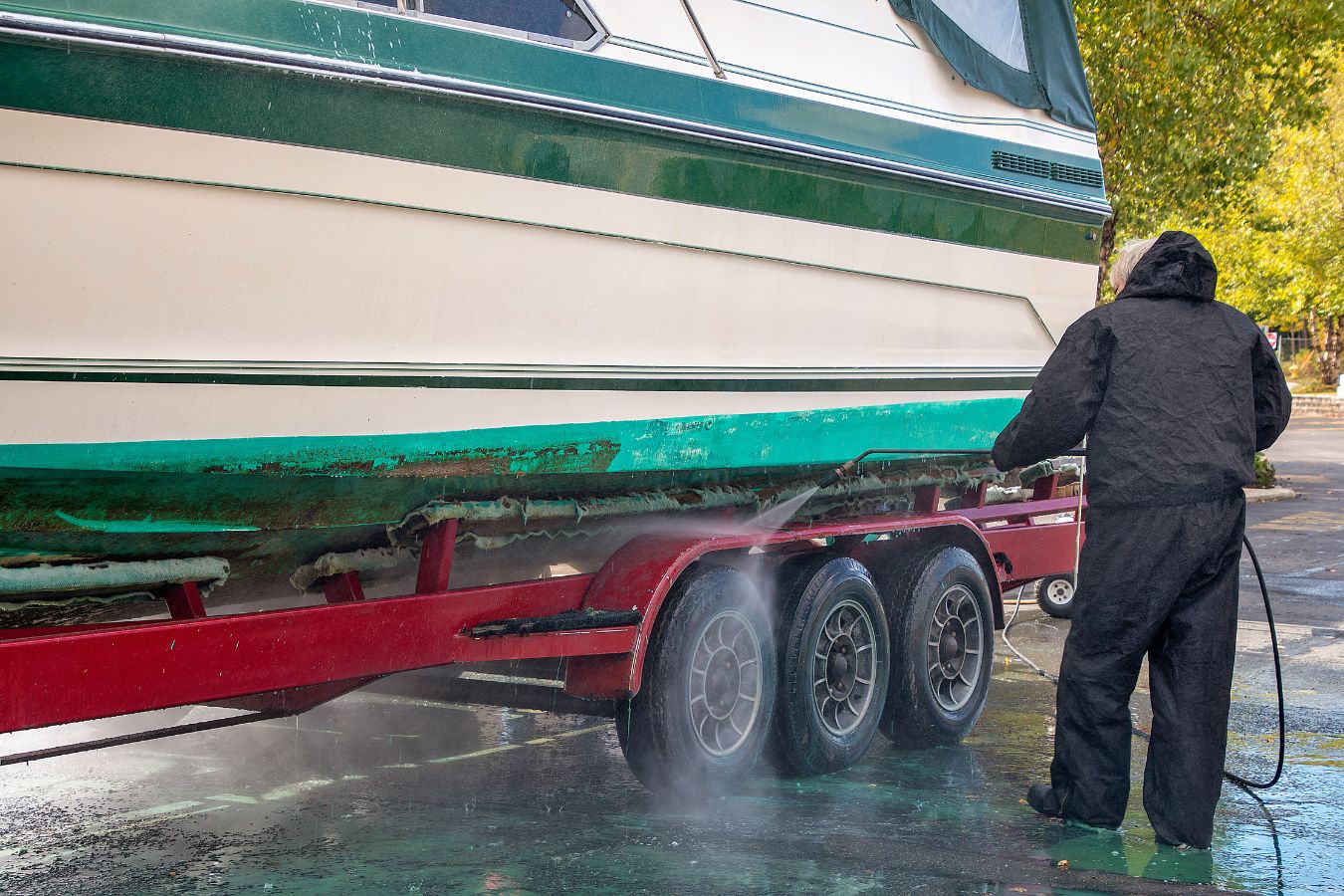
Anti-algae systems and bottom cleaning: what really works
Hull maintenance is one of the most important aspects of ensuring the durability, performance and aesthetics of any boat. Over time, constant contact with water promotes the accumulation of algae, molluscs and other marine growth that affects both speed and engine efficiency.
At Crownline Spain, we know that a boat is not just a means of transport or a hobby, but also an investment that deserves maximum protection. That’s why, in this article, we tell you which anti-fouling systems really work and which are the most recommended hull cleaning techniques depending on the type of sailing and boat you have.
Why is it so important to clean the bottom of the hull?
The accumulation of algae and marine organisms is not simply an aesthetic problem. In fact, it can have a significant impact in several ways:
- Navigation performance: fouling creates drag, which reduces speed and causes the engine to work harder.
- Higher fuel consumption: it is estimated that a dirty tyre can increase fuel consumption by up to 30%.
- Premature wear: marine growth can accelerate corrosion and deterioration of paint and hull materials.
- Higher maintenance costs: the more cleaning is neglected, the more complicated and costly the recovery process becomes.
For these reasons, maintaining a routine of cleaning and anti-fouling protection not only extends the life of your boat, but also improves your experience at sea. If you would like to learn more about how we carry out this process, please review our maintenance services.
Main anti-algae systems available
Over the years, the nautical industry has developed different solutions to combat the problem of fouling. Some are more traditional, others more innovative and environmentally friendly. Let’s analyse them one by one.
Antifouling paints
The most widely used method worldwide. These paints contain biocidal components that prevent marine organisms from attaching themselves to the hull.
Advantages: proven solution for decades, protects during long periods of inactivity, and available in a wide range of prices and types.
Disadvantages: use of chemicals that, although regulated, may have an environmental impact; requires regular maintenance and reapplication.
At Crownline Spain, we always recommend thoroughly cleaning the hull before applying antifouling. This will ensure that your boat is ready to make the most of the sailing season.
Ultrasonic systems
An increasingly popular technology. It is based on devices that emit ultrasonic waves to the hull, preventing algae and molluscs from attaching themselves to the surface.
Advantages: environmentally friendly, does not require chemicals or frequent repainting, ideal for boats that spend a lot of time moored.
Disadvantages: higher initial investment and need for professional installation.
This system is gaining ground, especially in recreational boats and high-end models such as those in the Crownline collection available in our inventory.
Cryogenic cleaning (dry ice)
An innovative and highly effective system. It involves spraying small particles of dry ice onto the hull. As they sublimate, they remove dirt and encrustations without damaging the surface or leaving any residue.
Advantages: deep cleaning without abrasives, does not generate polluting waste and is excellent for preparing the hull before applying antifouling.
Disadvantages: it is not always available in all marinas and is more expensive than other traditional techniques.
If you would like to learn more about how we use these techniques in Spain and why they are a growing solution, please visit our About Us section, where we explain our commitment to innovation and sustainability.
Automatic boat washers
Increasingly common in modern marinas, these systems use brushes or rollers to clean the hull as the boat passes slowly by.
Advantages: quick process with no need for dry docking, does not use harsh chemicals, ideal for regular cleaning during the season.
Disadvantages: not all marinas have this technology available, and it may be less effective in cases of very advanced fouling.
Which system is best for your boat?
The choice depends on several factors: the type of boat, frequency of use, marine environment, and available budget.
- If you sail frequently, a combination of antifouling and an ultrasonic system can give you the perfect balance between protection and comfort.
- If your boat spends long periods moored, consider an ultrasonic system or cryogenic cleaning to prevent severe fouling.
- If speed and convenience are your priorities, the automatic boat wash is a great option.
- If you are looking for sustainability, both ultrasonic and cryogenic are the cleanest and safest alternatives for the environment.
Environmental impact and sustainability
In recent years, concerns about the environmental impact of antifouling paints have led to a search for more environmentally friendly solutions. According to an article published in Yachting World, the future of nautical maintenance lies in chemical-free technologies, such as ultrasonic systems or dry ice cleaning.
At Crownline Spain, we share this vision and are committed to responsible maintenance that protects both your boat and marine ecosystems.
Practical tips for extending algae protection
- Check the helmet regularly to detect the first signs of encrustation.
- Don’t delay cleaning; the longer you wait, the more expensive the job will be.
- Apply high-quality antifouling and consult with experts to find out which one is best suited to your boat.
- Combine methods; alternating painting with periodic ultrasonic cleaning or washing is very effective.
- Trust specialists; having a professional team ensures long-lasting and efficient work.
Frequently asked questions
How often should I clean the bottom of my boat?
On average, every 6 to 12 months, although this depends on the frequency of use and the type of water (fresh or saltwater).
Does antifouling replace other systems?
No. Ideally, it should be combined with other methods such as ultrasonic cleaning or automatic washing for greater effectiveness.
Is cryogenic cleaning safe for my helmet?
Yes, it does not damage the surface and does not use abrasive products.
Where can I have my Crownline boat cleaned?
You can consult it directly in our services section.
At Crownline Spain, we are committed to the care and performance of your boat. We have a team specialising in anti-fouling systems and hull cleaning to help you choose the best option.
If you would like more information, please contact us using our contact form and find out how we can help you keep your boat in perfect condition throughout the season.
Other news that may interest you
- How to keep your boat in excellent condition all year round
- Single or twin engines: which configuration makes more sense on a recreational boat?
- How many engine hours are a lot on a used boat? How to interpret actual use
- How to choose a boat that will be easy to resell in Spain in a few years
- When is it worth buying a boat before the summer, and when is it better to wait until the end of the season?